Run Right – 8 of the most important things to keep in mind

I thought about the things that I end up talking to clients about the most when it comes to running and running injuries. I find myself harping on about the same things constantly so I might as well harp on online as well.
Here are a couple of things that could be holding you back, causing pain and just making running no fun at all.
1 – Wrong Shoes
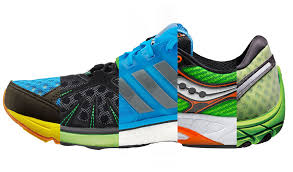
With the amount of shoes out on the market, this one is a lot more important than you would think, technology these days has become so specialized that there is a shoe type for every terrain, foot and distance. Ensure you are choosing the right shoe for you.
Terrain – Trail and Tar, these are two very different surfaces so do not think that your trail shoes will be fine for your next half marathon. Your knee’s and ankles will not let you forget it.
Foot – Visit a physio who can do a foot or running assessment with you and discuss what would be best for you.
Distance – Lighter Racing shoes or sturdy long distance trekking shoes, this impacts on the life of the shoe and how much your foot will work when using it.
2 – Warm up and Stretching
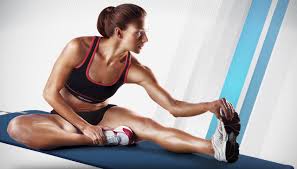
As a physio I will always be known as the stuck record that will never shut up about stretching and warm ups. The reason for this is because we don’t want you to get injured. A good warm up will let you feel where the tightness lies and you can gently take 5 minutes to stretch those tight muscles. I emphasize gently, this isn’t a full on torsion session, just a gentle stretch to get the fibers active and awake.
3 – Too Much Too Soon
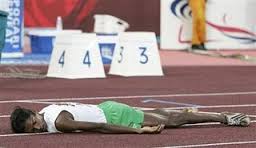
You are feeling fit and have a race in mind, nothing will stop you. And then your knee starts to niggle, but you ignore it,you can handle, and then one day you suddenly can’t take the pain and your physio says it is going to take 6 weeks to get back to normal.
This is the runners horror story that happens time after time when we start entering marathon and ha;f marathon season. Pace your self, don’t increase your training to drastically and don’t suddenly run over a mountain when you have been training flats for the past few months. Yes, it is annoying, but if you want to be at your healthiest when you get on the starting block its the only way.
4 – Hydration and Electrolytes

I have specifically separated Hydration and electrolytes because your body needs water but also the salts to stay at its optimum. Often runners will drink sachets and sachets of water and not feel quenched, this is because you are over hydrating yourself and your body can’t find enough salts in the water load, of course you do not want to under-hydrate either because then you start shutting down. The aim here is to drink small amounts, never get thirsty and never feel full. A fine line, but balance it well and you will feel on top of the world
5 – your chest gets too involved
Running is mainly a lower limb activity, and although your upper body might feel a bit left out, it shouldn’t get over involved. You should be running with your back nice and straight and your shoulders relaxed. No hunching, and your arms should definitely not be swaying across your body (ie, no rotation in the chest).
6 – Same Ol Same Ol
Running the same run at the same pace all the time is a killer, you are not going to get any stronger, or any fitter. So spice things up a bit, try run your usual route a bit faster, or try another route. Slower, faster, longer, shorter, do anything that’s different and your body will thank you for it.
7 – Technique
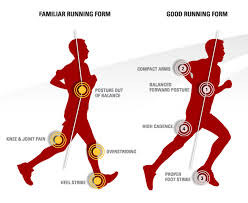
This is one of the most important factors in your running (obviously). I don’t want to prattle on forever about it but there are a few important things.
Core – use it, when you have a strong core you have a strong starting point and everything falls into place. This includes the stability muscles in your legs – hips, knee’s and ankles. The stringer and stable they are, the stronger and stable you are.
Foot Placement – The aim in running is for your foot, knee and hip all in one line. When you do this, your weigh will be carried through your entire leg and not put to much force on your joints and ligaments. So no crossing over of your feet on the mid line.
Foot weight – think light thoughts, and try land lightly rather than clomping on the floor.
8 – Recovery
The second most important part of a workout is the recovery. You don’t recover and you over do it, you recover too much and the workout was a waste.
Hydration, rolling and active recover – read up here
