Multi Day Stage Racing – How to survive (Part 1 – Nutrition)

Multi Day Stage racing, day after day of racing (or at least going as hard as you can) puts a lot of stress on the body. In Part 1 of this blog, I am going to inform you about some of the nutritional advice I tend to give out to clients who are about to embark on a stage race or endurance event.
Nutritional
Extensive research with endurance athletes shows that nutrition during rides and afterwards for recovery has four components:
- Replacing Liquids
- Replacing Energy
- Rebuilding muscle
- Reducing muscle and immune-system stress
Now this is not a what to eat during or post race blog, I will not dictate your diet, I am just letting you know what some of the research has pointed to, you can make your own decisions from there 🙂
1) Drink enough!

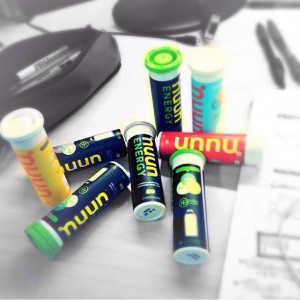
The problem here, is that drinking plain water is not as effective in maintaining fluid balance as drinking a sports/electrolyte drink. The carbohydrate and sodium in a sports/electrolyte drinks work together to increase water absorption in the intestinal wall.
During your race, try to drink enough so that your body weight is stable. That may not be possible in hot conditions and/or if you are going hard. After exercise take in enough fluid to restore your body weight. Plain water will satisfy thirst before the body is fully hydrated, so electrolytes are the key. Avoid carbonated drinks when you are thirsty; they may cause you to feel prematurely full before you’ve drunk enough.
2) Energy
In long-distance events, the fuel and water available in your body are the factors that limit how fast you can ride/run/paddle etc. Fuel requirements vary widely. If you are a carb eater, while some of the energy comes from fat, most of the energy comes from glucose circulating in the blood stream and glycogen stored in the liver and muscles. A rider can only store a few thousand calories of glycogen, which will be exhausted in a few hours. To prevent the bonk, long-distance cyclists should consume at least 300 calories every hour, and 4-500 / hour if the rider is large and/or riding hard.

When consuming this many calories while riding it should obviously be in easily digestible type foods: sports drinks, gels, bars, fruit, liquid meal replacements, etc. A massive thing here is to obviously eat things that you are used to an dlike. There is nothing worse than forcing down that new flavored carb drink that makes you gag, or worse, having a bad tummy reaction to a new supplement, bar, juice (its happened to the best of us). During long, hard sessions it is very difficult to eat enough on the move to match the caloric expenditure. So it is important to fuel up after the session to replenish glycogen stores so as not to deplete yourself for the next day.

3) Rebuilding muscle
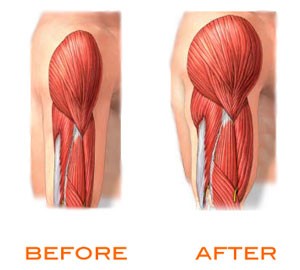
Rebuilding muscle protein is extremely important. Mainly because hard training, or most workouts damage muscle cells, don’t worry, this is the normal way to grow muscles but, of you are doing multiple days of HARD exercise, you are going to need to help the muscle rebuilding out a bit.
After you workout, your body repairs or replaces damaged muscle fibers through a cellular process where it fuses muscle fibers together to form new muscle protein strands or myofibrils. These repaired myofibrils increase in thickness and number to create muscle hypertrophy (growth)
Protein is a key component required for the growth, maintenance and repair of muscle cells. This is the main reason behind those post workout protein shakes, the liquid nutrition gets digested pretty quickly and can get started on helping you repair those muscle fibres. So eat up.
4) Reducing muscle and immune-system stress.
We all know that prolonged exercise tends to make you more susceptible to colds, etc.
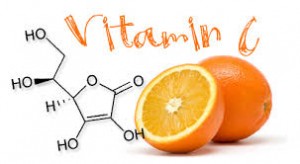
Research has shown that supplementing with vitamin C can help to prevent muscle and immune-system damage. Vitamin C also helps in the production of anti-stress hormones and is required for tissue growth and repair.
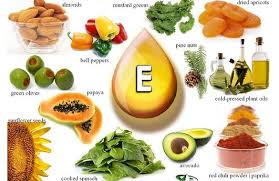
Vitamin E prevents damage to cell membranes, improves circulation, relaxes leg cramps and helps repair tissues.
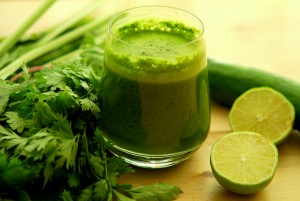
The amino acid glutamine is a source of energy for white blood cells and other immune cells. Glutamine is normally manufactured by the body; however, during heavy exercise (and other times of stress) glutamine concentrations in your body decrease quite a bit. Glutamine is available in foods such as raw spinach and parsley (note the RAW here – cooking tends to destroy Glutamine, yay for green shakes)
And that the nutrition side of things folks, in the next installment – we will chat about the physical maintenance behind endurance and stage racing.
