3 Recovery Tips After Seeing the Physio
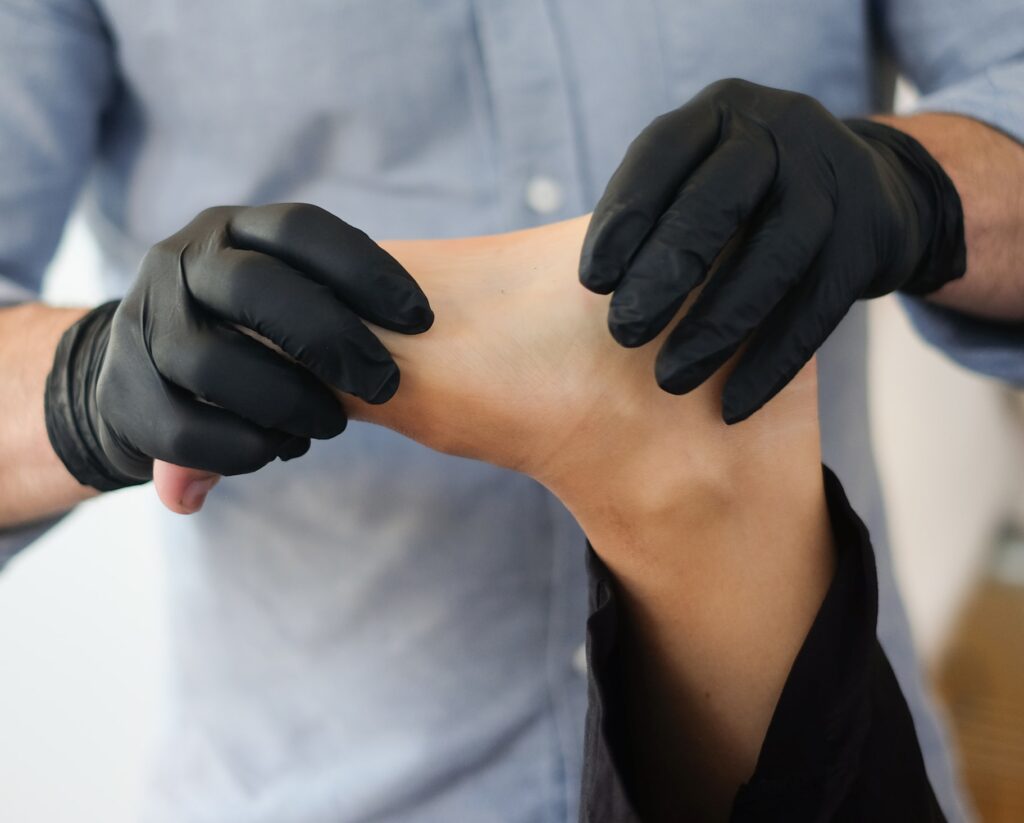
You’ve finally stepped out of the physiotherapist’s office and now you’re on your own. The hard work however, doesn’t stop there. It’s important to continue to strengthen and condition after physio to keep injured muscles and bones healthy and strong. On top of that, it’s a great way to keep checking in with your body and make sure you stay in tip-top shape to prevent another injury. What are the best recovery practices you might ask? Look no further as the physio works team has 3 top recovery tips, for after physiotherapy:
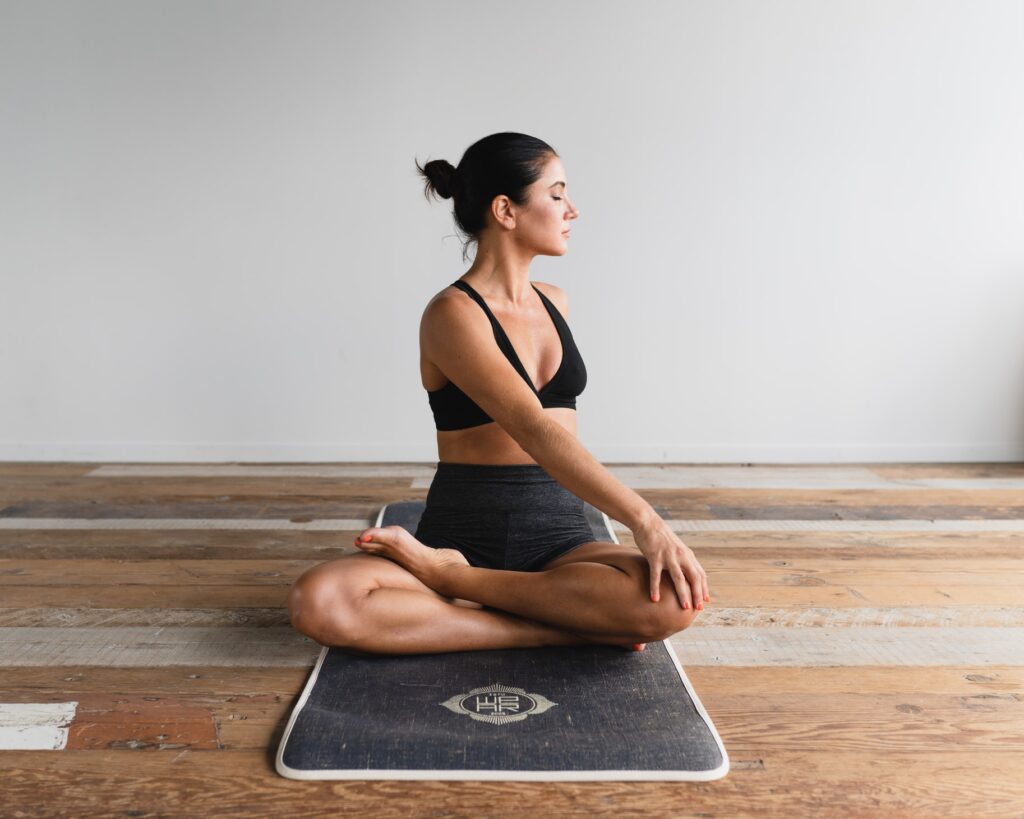
Start Yoga/Pilates Classes
Yoga lengthens muscle tissue, strengthens muscle by applying healthy stress in various poses, whilst also enhances the range of motion. Yoga is becoming another primary focus for individuals who are seeking to maintain their fitness whilst also complement their injury prevention or recovery plan. Concentrating on all three aspects of the human form – mind, body and soul. Giving clients the potential to address both physical injuries whilst also healing the emotional aspects that are very much connected to long term injury recovery and prevention.
Pilates is a low impact workout, which means that your joints will not be under any stress during your work out. Making this an excellent choice for anyone who struggles to perform high impact workouts. When incorporated into a frequent routine, pilates can have extraordinary muscle strengthening results. It’s an amazing alternative form of exercise for those who suffer from injuries and are unable to sustain more intense forms of physical activity. Promoting concentration, stability, and stress-reduction. Pilates is the perfect form of exercise for those on the road to rehabilitation.
Stay Active – but gently to start
Aside from the long-term benefits to heart health, mental health, and longevity, exercise provides many direct and indirect benefits to patients healing from wounds. Inflammation is one of the major causes of delayed healing. Exercise and other physical activity have been shown to lower the number of inflammatory markers in the blood, therefore aiding in reducing the level of inflammation and promoting rapid healing. Whether it is swimming, running, or taking a short walk around their room, every activity helps. Although keeping active may be challenging with injuries it is highly encouraged to promote a faster recovery. Although you may have been told to take a rest from the activity that you may have been injured in, that doesn’t mean you can become a couch potato, there are plenty of ways to be active that are not your sport of choice.
Foam Rolling
Foam rolling helps release tension in the muscles, relieve muscle soreness, and improve flexibility and range of motion. Most people will benefit from foam rolling as part of a pre-or post-workout routine, or simply as a quick break from sitting. Think of your foam roller as your substitute physio, helping you avoid those injuries bought about from malalignment that could predispose you to injury.
To Wrap It Up
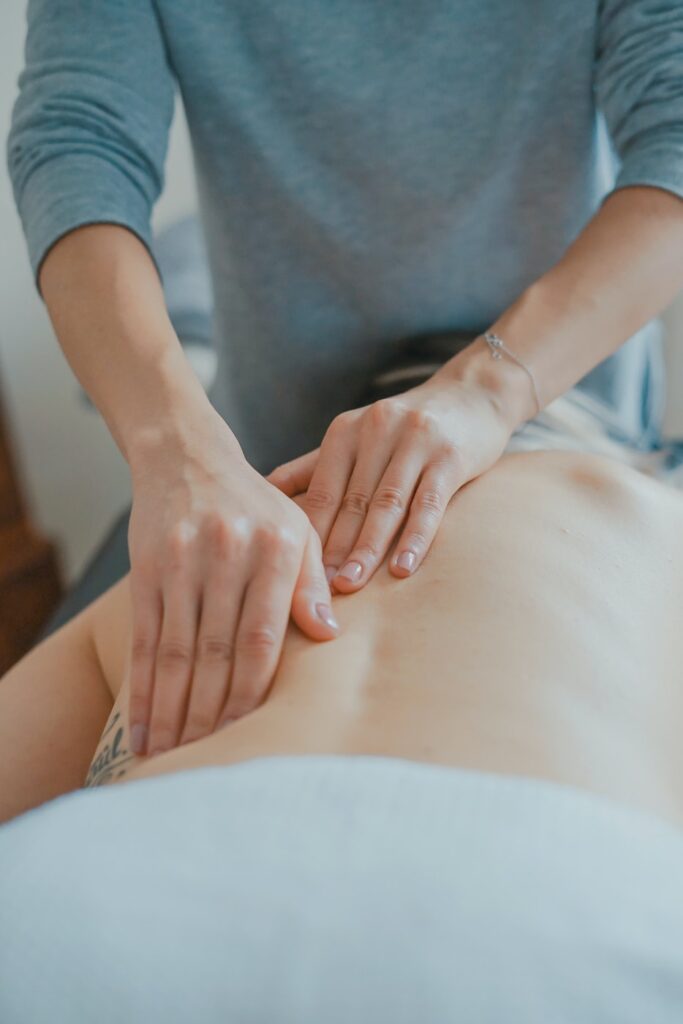
As we end off, the most important lesson to take from this is that recovery doesn’t just end after physio. It’s imperative that you honour your body and it’s healing well after the physio. If you are suffering from an injury and not sure what to do next, we encourage you to get in contact with us.
PhysioWorks is a physiotherapy practice specialising in sports rehabilitation, recovery and injury prevention.
With a wealth of sporting knowledge and experience, our holistic approach to rehabilitation and injury prevention will help you to achieve your exercise goals in the most efficient manner possible.
