Fat – Where, When, Why and What
Firstly, this is not a nutritional post , this is simply am educational post about how the body process’s the fat we eat.
Why do we have fat?
Essential fats, are the fats that the body cant make on its own, ie. we need to eat them, mainly to: store energy, insulate us and give our vital organs a nice squishy protective barrier.
They also act as messengers, helping proteins do their jobs and regulate chemical and hormonal reactions that control growth, immune function, reproduction and functions of basic metabolism.
Basically, they do a lot and that is why we need them in our diet – in moderation of course :p
Where do we have fat?
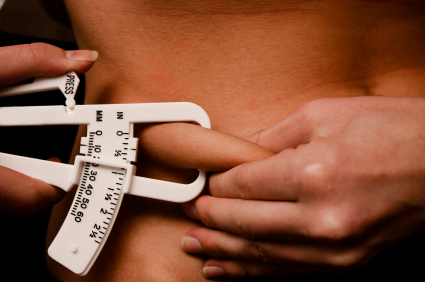
Before you shout “everywhere”, which is kind of true, I am thinking a little more in depth here. Fat is stored in specialized cells under the skin (remember that skin fold test you did at the gym where they squeezed you with what looked like giant tweezers?) and around the vital organs but also in our muscles (eventually, and we will get to how it gets there in a second).
Cells and Blood
So, depending on the energy demands, these specialized cells either take the fat out of the blood or push it back into the blood to be used as energy. IE. after we eat, when energy supply is high (lots of fat it being absorbed into the blood through digestion) the cells will keep their stored fat. When we exercise or haven’t eaten for a while, the gates will open and the cells will release the fat back into the blood.
The cycle of making, breaking, storing and mobilizing fat is at the core of how humans regulate their energy, and for this there are a lot of background workers (mainly protein) putting in the effort behind the scenes to let the body burn that yummy fats.
Muscles
Fat in the blood stream that is to be used for energy makes its way to the muscles and does 1 of 2 things:
1.Oxidation (fancy word for burned for energy)
2. Stored for later use
Some muscles will store more fat than others, particularly the “slow twitch muscles” – these are the muscles that we use daily, to stand, hold our necks up, etc. Basically the general postural muscles that never really get a break. These muscles are ALWAYS working so rely on these stores. Most of the stored fat will be used during exercise and it is interesting to note that only 1-2 % of our total body fat is actually stored in the muscle long term
When do we use fat
During Exercise
So when we exercise, blood flow increases meaning more fat is taken to the muscles and it can be used. It gets taken to the mitochondria (Fat furnaces) where it is broken down into energy with the help of a few proteins and Oxygen.
Fat burning during exercise is maximal on lower to mid intensity training.
An easy gauge of this:
Low intensity – you can sing (lots of Oxygen getting into you)
Medium intensity (60% Max Heart Rate) – you can hold a conversation but can’t sing (less oxygen but you are still good)
High Intensity – you can’t say more than a few words without stopping for breath. (Not as much Oxygen is happening)
So, at low intensity – you are oxidizing fat quite nicely, but all of this fat is coming straight from the bl used immediately
At medium intensity – you are still oxidizing fat nicely, but this is mainly coming from the storage you have in your muscles already
At high intensity – your body is not getting enough oxygen to produce energy from fat, so it starts diverting the blood away from your fat stores and very little fat is taken into the blood stream and muscles, stopping the movement of fat in the muscles to the fat furnaces (mitochondria) and your body turns to CARBS to find energy (fat has 2 x more energy per gram than carbs do).
After Exercise
After exercise, the body moves into recovery mode and you guessed it, we need energy for this.
After low intensity work, you don’t need as much recovery and nutrient replacement so the amount of energy needed is not very high, after high intensity training you will use more energy.
The reason this is important is although you may not have burnt a lot of fat during your high intensity work out, this equals out after the fact when you burn the fat during your recover phase.
What does this mean for me?
Fit or frequently training people will burn fat easier than untrained people if they do the same intensity work out for the same amount of time. This so because their body has adapted to the energy burning process in a variety of ways:
Both subjects will release the same amount of fat into the blood – but the fitter person will take more into the muscle to be used and it will be moved into the fat furnaces quicker.
The fit persons inner muscle fat is stored closer to the fat furnaces making it easier to access and quicker to use.
So how do you burn the optimal amount of fat?
the obvious answer is get fitter – but its how you get fitter that should matter.
Rather than doing ridiculous high intensity exercise sessions train your muscles to burn fat optimally but mixing your exercise routine up, Do some high intensity but then add in a low intensity longer workout to increase your fat burning during exercise. If you want go the whole hog, add in resistance training or eccentric training, which will not necessarily burn fat during, but will increase the fat burn after.
And last but not least: Yes, you exercised but that doesn’t mean you get to sit on your but the rest of the time, extreme low intensity (ie, normal daily activities that don’t involve the couch, will keep your muscles working at a low intensity which is a fat burning intensity. The body loves habits, and if you get it into the fat burning habit you are on your way!
References:
Mayo Clinic. 2014. Exercise Intensity: How to measure it. [ONLINE] Available at: http://www.mayoclinic.org/healthy-lifestyle/fitness/in-depth/exercise-intensity/art-20046887. [Accessed 10 September 15].
Live Science. 2010. What do Fats do in the Body. [ONLINE] Available at: http://www.livescience.com/9109-fats-body.html. [Accessed 10 September 15].
University ff Washington. 2014. Digestions and Absorption of Fats. [ONLINE] Available at: http://courses.washington.edu/conj/bess/fats/fats.html. [Accessed 10 September 15].
University of Mexico/Mike Deyhle, Christine Mermier, Ph.D. and Len Kravitz, Ph.D.. 2014. Physiology of Fat Loss. [ONLINE] Available at: https://www.unm.edu/~lkravitz/Article%20folder/physiologgfatloss.html. [Accessed 10 September 15].
